Skip to content


Fish Florida Wild

Fishing in Florida is not a hobby. It’s a way of life.

 
From shallow grass flats at sunrise to offshore bluewater runs and quiet freshwater lakes tucked into ranch country, Florida offers some of the most diverse fishing opportunities in the nation. Saltwater. Freshwater. Inshore. Offshore. River systems. Backwater creeks. It is all here.

Fishing sometimes means filling the cooler and other times it means understanding tides, moon phases, seasonal migrations, and the responsibility that comes with harvesting from the water. It means respecting size limits, managing pressure, and protecting fisheries so the next generation can experience the same thrill.


This page will break down:
Florida’s key game fish species
Inshore and offshore strategies
Freshwater opportunities
Seasonal patterns and timing
Conservation practices that protect the resource


From the flats to the deep blue. From dock lights to open water.
This is Florida fishing unfiltered.

This is the REAL FLORIDA
Offshore / Pelagic

Screenshot 2026 02 24 at 10.19.58 am

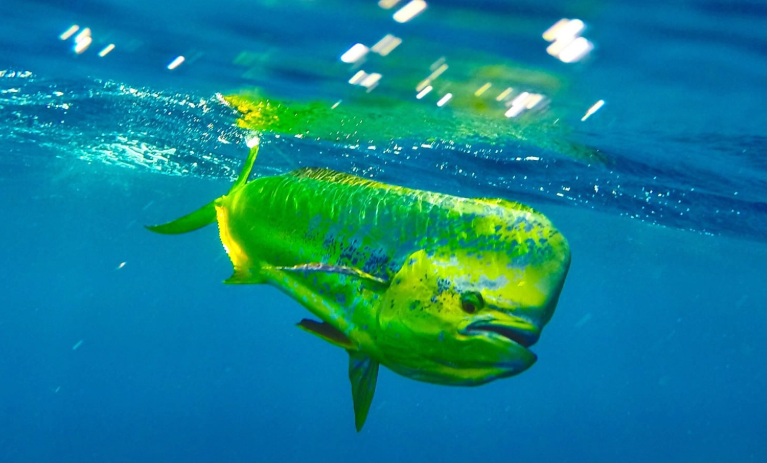
Mahi-Mahi (Dolphin)

Mahi-Mahi (scientific name Coryphaena hippurus) are one of the most exciting and colorful gamefish found in Florida’s offshore waters. Known for their electric colors, blistering speed, and aggressive strikes, these fish are a favorite target for anglers running offshore in the Gulf of Mexico, the Atlantic, and the Florida Keys.
They are also called dolphinfish or dorado, though they are completely unrelated to dolphins (the marine mammal)


Fast-Growing Ocean Predator

  • Mahi-mahi are one of the fastest growing fish in the ocean.
  • They can reach over 4 feet in length in their first year.
  • Adults can grow over 6 feet long and nearly 90 pounds, though most catches are much smaller.
Screenshot 2026 02 24 at 10.22.45 am

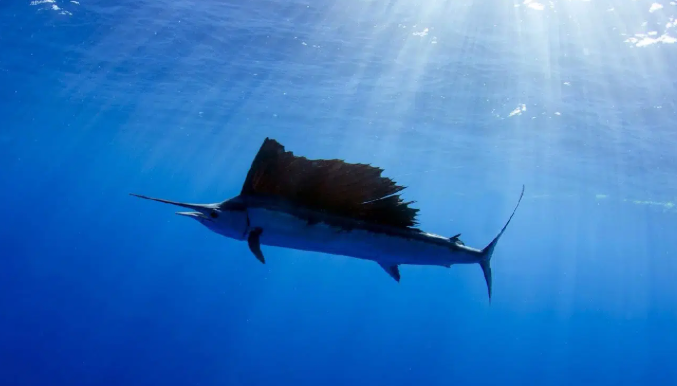
Sailfish

The Fastest Fish in the Ocean

Sailfish are widely regarded as the fastest fish in the ocean.
  • Recorded speeds of up to 60–68 mph
  • Built for speed with a long bill and streamlined body
  • Capable of explosive bursts when chasing baitfish


Their incredible speed and power are why they are one of the most exciting fish to catch in offshore sportfishing.


The Famous “Sail”

Sailfish get their name from the large dorsal fin that resembles a sail.
The sail is used to:
  • Herd schools of baitfish
  • Appear larger to predators
  • Stabilize while attacking prey
When excited or feeding, the sailfish will raise this fin fully, creating one of the most spectacular sights in offshore fishing.
Screenshot 2026 02 24 at 10.25.19 am

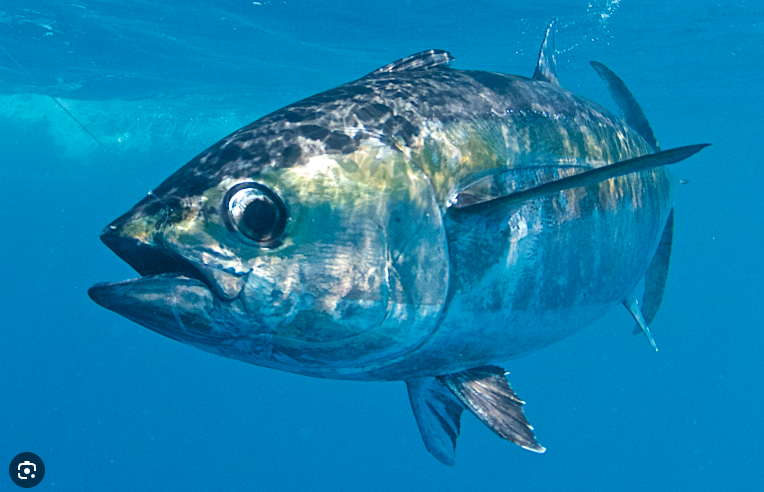
Tuna

Built for Speed and Endurance

Tuna are designed for open-ocean life and long-distance swimming.
  • Some tuna species can swim 40–50 mph
  • They are capable of crossing entire oceans during migration
  • Tuna must swim constantly to force oxygenated water through their gills
  • Their streamlined bodies, powerful tails, and large muscles make them one of the strongest fighting fish in offshore fishing.


Unlike most fish, tuna are partially warm-blooded.
This allows them to:
  • Maintain body temperatures higher than surrounding water
  • Swim faster and hunt more efficiently
  • Thrive across a wide range of ocean temperatures
This unique adaptation is one reason tuna are such effective predators.
Screenshot 2026 02 24 at 10.27.15 am

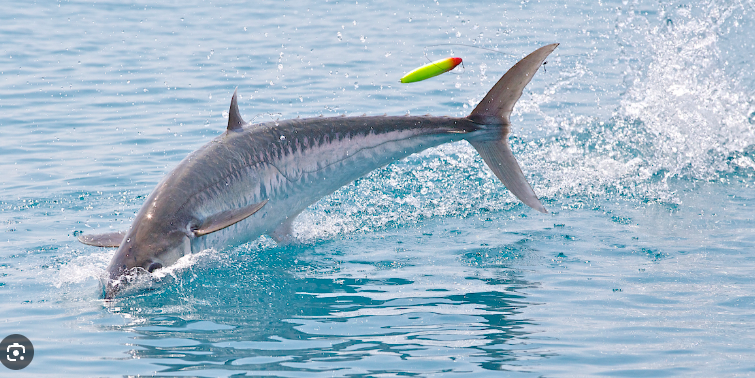
Wahoo

One of the Fastest and Most Powerful Fish in the Ocean


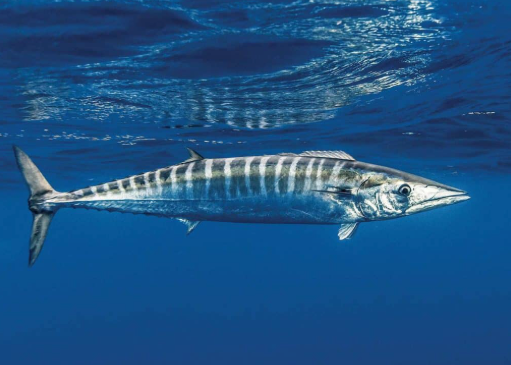
The Wahoo (Acanthocybium solandri) is one of the most prized offshore gamefish found in Florida waters. Known for its blistering speed, razor-sharp teeth, and incredible table fare, wahoo are a favorite target for anglers fishing the deep blue waters of the Atlantic Ocean, Gulf of Mexico, and the Florida Keys.
With their sleek, torpedo-shaped bodies and bold vertical stripes, wahoo are built for speed and are widely considered one of the fastest fish in the ocean.Razor-Sharp Teeth

Wahoo are aggressive predators equipped with extremely sharp teeth.
These teeth allow them to:
  • Slice through baitfish
  • Attack prey with explosive strikes
  • Cut through fishing lines if not using wire leaders

For this reason, many anglers use wire leaders when targeting wahoo.


Built for Extreme Speed

Wahoo are designed for high-speed hunting in open water.
  • Capable of reaching speeds of up to 60 mph
  • Their torpedo-shaped body reduces drag in the water
  • Large, powerful tail allows explosive acceleration
Because of their speed, anglers typically troll at much faster speeds when targeting wahoo compared to other offshore species.

Nearshore / Reef Species

Screenshot 2026 02 24 at 10.21.47 am

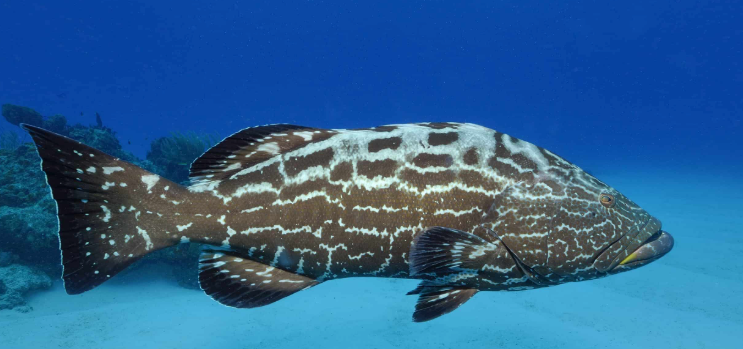
Grouper


Species include:
  • Gag grouper
  • Red grouper
  • Goliath grouper (protected)
Where they live:
  • Offshore reefs
  • Structure
Screenshot 2026 02 24 at 10.23.51 am

Snapper


Species include:
  • Mangrove snapper
  • Yellowtail snapper
  • Mutton snapper
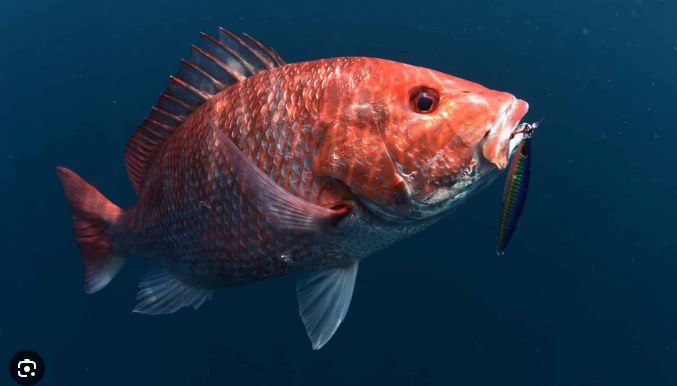
  • Red snapper
Screenshot 2026 02 24 at 10.26.21 am
Cobia


One of the Most Unique and Powerful Fish in Florida Waters

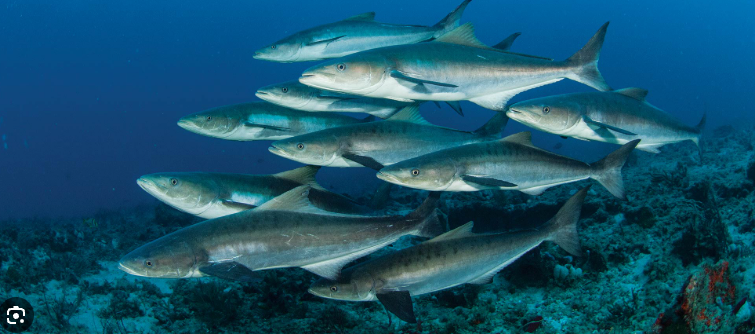
The Cobia (Rachycentron canadum) is one of the most sought-after gamefish found in Florida’s coastal and offshore waters. Known for their powerful fights, curious behavior, and excellent table fare, cobia are a favorite target for anglers fishing from boats, piers, and even the beach.
Sometimes called “ling,” “lemonfish,” or “crab eater,” cobia are famous for appearing unexpectedly around boats, buoys, and floating structure—often cruising just below the surface.


A Powerful Coastal Predator

Cobia are strong, muscular fish built for endurance.
Typical Florida cobia:
  • 20–60 pounds
  • 3–5 feet long
Large cobia can exceed 80–100 pounds, making them one of the most powerful near-shore fish anglers encounter.
 
Screenshot 2026 02 24 at 10.25.50 am

King Mackerel 


Identity & Species

  • Common name: King Mackerel / Kingfish
  • Scientific name: Scomberomorus cavalla
  • A fast, pelagic predator in the mackerel family


Range & Habitat

  • Found throughout:
    • Gulf of Mexico
    • Atlantic Coast of Florida
  • Key zones:
    • Nearshore reefs
    • Wrecks
    • Offshore bluewater
    • Beaches during migrations
  • Often suspended in the water column, not bottom-oriented


Size Classes

  • Average: 10–25 lbs
  • Smokers (trophy class):
    • 30–50+ lbs
    • 4–5+ feet long
  • Known for long, lean, torpedo-shaped bodies built for speed


Inshore Saltwater Species

Screenshot 2026 02 24 at 10.28.00 am

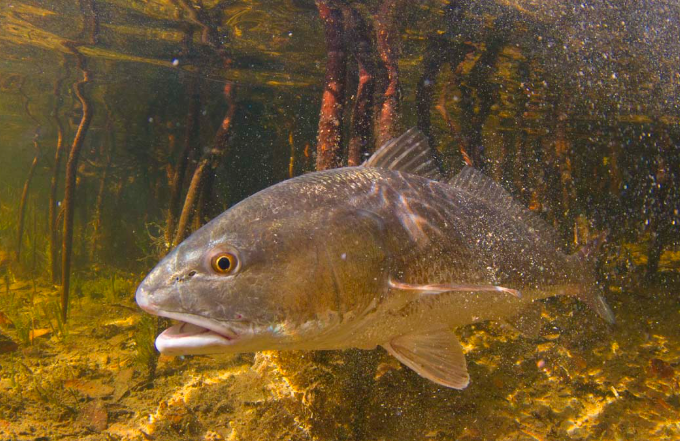
Redfish (Red Drum)

Identity & Species

  • Common name: Redfish / Red Drum
  • Scientific name: Sciaenops ocellatus
  • One of the most iconic inshore game fish in Florida


Range & Habitat

  • Found throughout:
    • Gulf Coast
    • Atlantic Coast
    • Florida Keys (less common but present)
  • Thrive in:
    • Grass flats
    • Mangrove shorelines
    • Estuaries and lagoons
    • Oyster bars and tidal creeks
  • Prefer shallow, brackish water but can move offshore


Size Classes

  • Slot Redfish (inshore target):
    • Typically 18–27 inches (regulated harvest size in FL)
  • Bull Reds (mature breeders):
    • 30–50+ inches
    • 20–50+ lbs
    • Often found offshore or in passes
Screenshot 2026 02 24 at 10.28.32 am
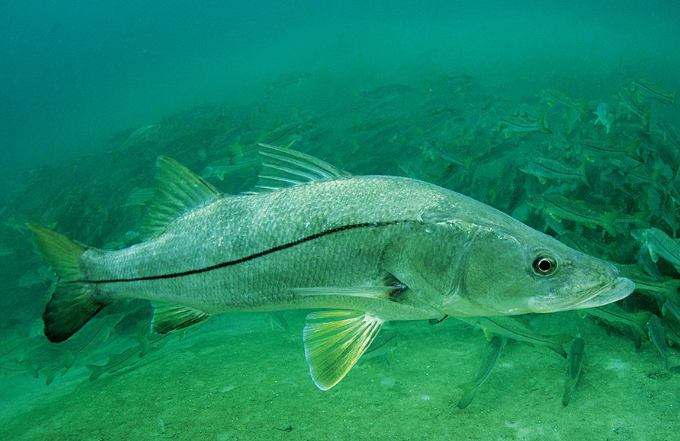
Snook

Identity & Species

  • Common name: Snook
  • Primary Florida species: Common snook
  • Also called: Linesider (for the bold black lateral line)


Range & Habitat

  • Found along:
    • South Florida Atlantic & Gulf coasts
    • Stronghold in mangrove estuaries, inlets, and rivers
  • Key environments:
    • Mangrove shorelines
    • Docks & bridges
    • Tidal creeks and passes
  • Highly temperature-sensitive (cold snaps can cause major die-offs)


Size & Physical Traits

  • Typical inshore snook: 5–15 lbs
  • Trophy snook: 20–40+ lbs
  • Distinct features:
    • Jet-black lateral line from gill to tail
    • Sloped forehead, large mouth
    • Silver body with a greenish back


Diet (Ambush Predator)

  • Feed aggressively on:
    • Mullet
    • Pilchards
    • Shrimp
    • Small baitfish
  • Built for:
    • Explosive ambush strikes
    • Often pin prey against structure or shoreline


Behavior

  • One of the smartest and most structure-oriented fish in Florida
  • Love:
    • Current breaks (bridge pilings, mangroves, docks)
  • Feed best:
    • Low light (dawn, dusk, night)
    • Moving tides
  • Known for:
    • Violent strikes
    • Head-shaking jumps
    • Breaking anglers off in structure
Screenshot 2026 02 24 at 10.30.03 am

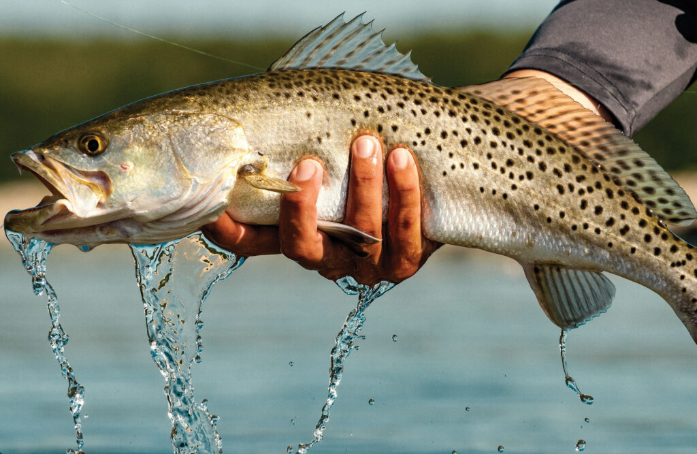
Spotted Seatrout


Identity & Species

  • Common name: Sea Trout / Speckled Trout
  • True name: Spotted seatrout
  • Not actually a trout—belongs to the drum family (same as redfish)


Range & Habitat

  • Found across:
    • Entire Florida coastline (Gulf & Atlantic)
  • Core habitat:
    • Seagrass flats (critical)
    • Shallow bays and estuaries
    • Sand holes, potholes, and edges
  • Usually in 1–6 feet of water


Size Classes

  • Average: 14–20 inches
  • Quality fish: 20–25 inches
  • “Gator trout”:
    • 25–30+ inches
    • 5–10+ lbs (true trophies)


Physical Traits

  • Silver body with:
    • Dark black spots along back and fins
  • Yellowish mouth interior (common identifier)
  • Soft mouth → easier to lose fish if not handled right


Diet

  • Aggressive feeder:
    • Shrimp
    • Small baitfish (pilchards, mullet)
  • Feed primarily in:
    • Ambush zones on grass flats
    • Edges of potholes and drop-offs
Screenshot 2026 02 24 at 10.30.24 am

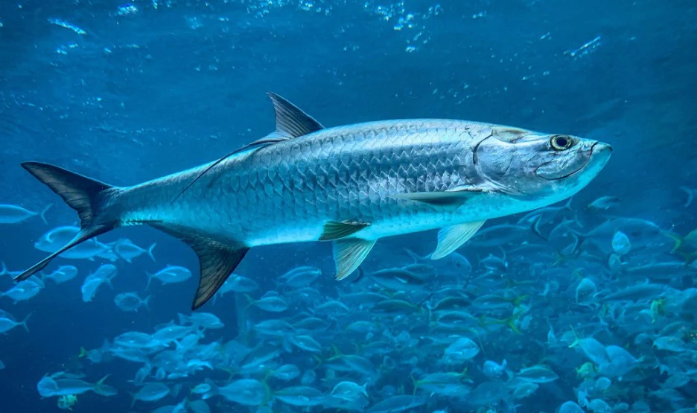
Tarpon


Population: Very strong
Where they live:
  • Coastal waters
  • Boca Grande (world famous)
  • Florida Keys
Key Facts:
  • Can exceed 150 lbs
  • Called the Silver King

Population: Strong, fully recovered

Where they live:
  • Shallow flats
  • Mangroves
  • Lagoons
Key Facts:
  • One of Florida’s most iconic fish
  • Year-round fishery

Florida Freshwater Fishing Species

Screenshot 2026 02 24 at 12.48.45 pm
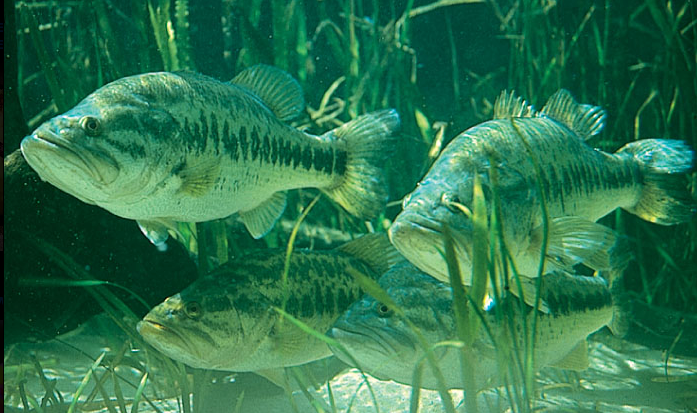
Largemouth Bass


Scientific name: Micropterus salmoides

Status: Florida’s #1 freshwater game fish
Population: Extremely abundant statewide
Where they live:
  • Lake Okeechobee (world famous)
  • Kissimmee Chain of Lakes
  • Rodman Reservoir
  • St. Johns River
  • Farm ponds & ranch waters
Key Facts:
  • Florida strain grows larger than northern strain
  • 10–14 lb bass are possible
  • Thrive in warm, vegetated waters

Population: Strong but sensitive to cold

Where they live:
  • Mangroves
  • Rivers
  • Coastal estuaries
Key Facts:
  • Cannot tolerate cold water
  • Florida is global epicenter
Screenshot 2026 02 24 at 10.30.03 am

Spotted Seatrout


Population: Extremely abundant

Where they live:
  • Grass flats
  • Shallow coastal bays
Screenshot 2026 02 24 at 12.51.23 pm

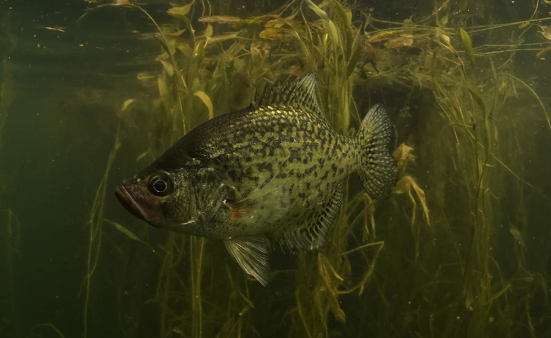
Crappie (Speckled Perch)


Scientific name: Pomoxis nigromaculatus
Population: Abundant
Where they live:
  • Lake Okeechobee
  • Central Florida lakes
  • North Florida rivers
Key Facts:
  • One of Florida’s best eating fish
  • Strong winter fishing season
Img 2337
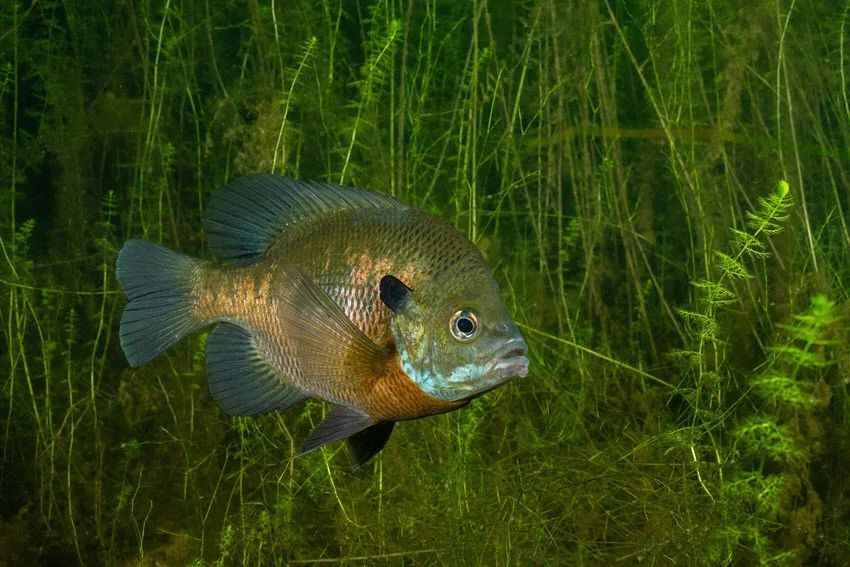
Bluegill / Shellcracker (Sunfish family)


Population: Extremely abundant statewide
Where they live:
  • Every freshwater system
  • Especially farm ponds and lakes
Key Facts:
  • Foundation of freshwater ecosystem
  • Critical forage species for bass
Screenshot 2026 02 24 at 12.52.24 pm

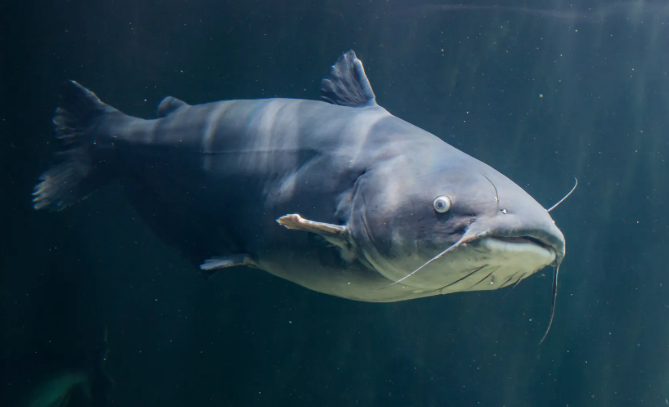
Catfish (Multiple species)


  • Channel catfish
  • Bullhead catfish
  • Flathead catfish
Population: Extremely abundant
Where they live:
  • Rivers
  • Lakes
  • Farm ponds
Screenshot 2026 02 24 at 12.52.46 pm

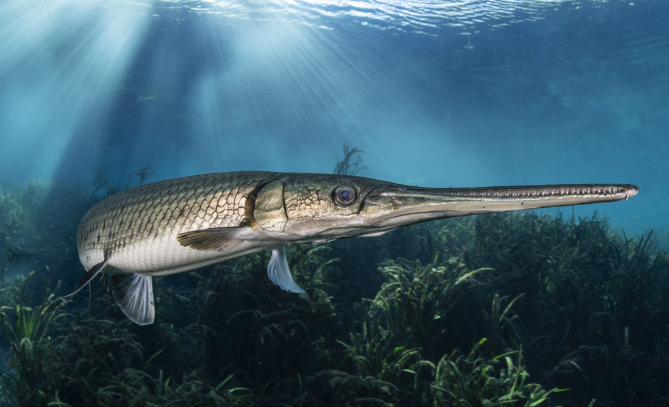
Gar


  • Longnose gar
  • Florida gar
Ancient species, extremely abundant in rivers.


Set the Hook & Live Fla Wild